







Search Results for: Concentration Control
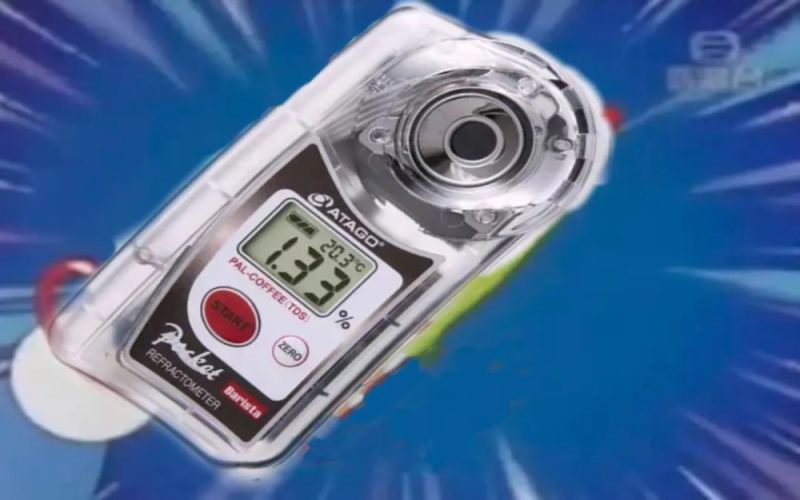
How Are the Gold Cup Extraction Yield and Strength Calculated for Pour-Over Coffee? Recommended Coffee-to-Water Ratios and an Analysis of the Evolution of SCA Standards
Many coffee enthusiasts have heard of the Golden Cup extraction theory: ideal concentration 1.15%-1.35%, ideal extraction yield 18%-22%. But this standard actually comes from the SCAA, not the SCA; the European and American coffee associations each have their own positions on ideal concentration. After the SCAA and SCAE merged in 2017, the UC Davis Coffee Center made slight adjustments to the old brewing control chart, loosening the upper concentration limit and the brew ratio range. This article will start with the history of the Golden Cup theory, sort out the differences between the old and new control charts, explain why high concentration with low extraction can highlight acidity while low concentration with high extraction can bring out floral and chocolate notes, and, combined with product information from Front Street Coffee, help you understand how concentration and extraction yield should be judged together, rather than fixating on a single number. [more…]
In-Depth Analysis of Espresso Dose Control: Extraction Adjustment Strategies from Gram Weight Differences to Flavor Balance
Many coffee enthusiasts are intimately familiar with latte art and equipment, yet when it comes to espresso extraction, they often overlook dosing, puck management, and tasting judgment. In fact, dose control is just as critical as grind size adjustment—fluctuations in dose mean that even the most beautiful latte art cannot mask an imbalance in the coffee itself. Starting from the TDS and extraction yield formulas, and drawing on a 2.3-gram dose difference measured on a Mazzer Robur grinder, this article uses charts and data to illustrate the specific effects of dose on concentration, extraction yield, and the balance between acidity and bitterness, and explores approaches to dosing for light-roast espresso. Front Street Coffee also emphasizes the importance of dose consistency in its daily output, and we hope this article offers practical reference for your extraction adjustments. [more…]

A Complete Guide to Espresso Extraction: Practical Control Methods for Dose, Ratio, Time, and Grind Size
Want to make a balanced espresso at home but keep struggling with unstable flow rate and flavors that swing between sour and bitter? The truth is, there is no one-size-fits-all fixed parameter set for espresso extraction—coffee bean condition, grinder performance, machine pressure, and water temperature can all skew the results. This article approaches the topic from six dimensions—dose, brew ratio, extraction time, flow rate, pressure, and water temperature—and systematically explains how to customize a suitable extraction plan for the blend you have on hand, with specific references based on Front Street Coffee's classic blend and Strawberry Candy Espresso. It also includes methods for measuring espresso concentration and extraction yield to help you use golden cup data as a guide for adjustments, so you can ultimately find the cup you truly enjoy. [more…]

Hand-brewed coffee variable-temperature brewing method: How different water temperatures affect flavor layers and extraction results
In the world of pour-over coffee, water temperature has never been a fixed parameter. At world-class brewing competitions, many competitors use variable-temperature brewing, precisely steering the flavor direction of the coffee by using different water temperatures at different stages. Front Street Coffee conducted a set of comparative experiments using the same Panama Elida Typica beans, brewing them with three approaches: constant temperature, high temperature in the early stage followed by a temperature drop in the later stage, and low temperature for blooming followed by high temperature in the later stage and then a temperature drop. They measured concentration and evaluated the flavor. The results showed that variable-temperature brewing can significantly change the acidity, sweetness, and aftertaste of the coffee. This article will walk you through the operating techniques, experimental data, and flavor differences of variable-temperature brewing, helping you control your pour-over parameters more flexibly. [more…]
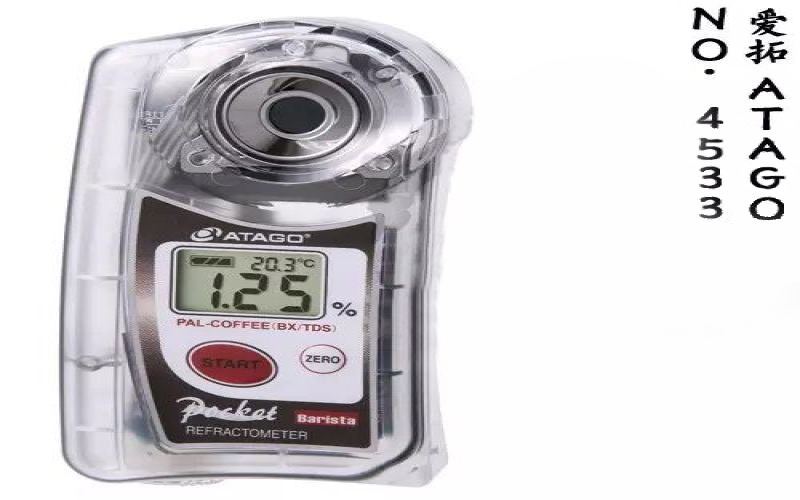
ATAGO Coffee Concentration Meter Operation Guide: A Complete Analysis from Zero Calibration to Extraction Yield Calculation
For coffee enthusiasts pursuing precise extraction, the ATAGO refractometer is a common professional tool. This article focuses on three coffee refractometers under the brand—4523, 4532, and 4533—sorting out their differences and purchasing advice, and addresses questions about accuracy comparisons with the VST LAB. Then, using the 4532 TDS model as an example, it explains step by step the practical essentials such as the unboxing checklist, battery installation, zero calibration, concentration measurement, and extraction yield calculation. The article also particularly reminds readers of easily overlooked details such as zeroing frequency, sample temperature, and cleaning taboos. If you are currently using or considering purchasing an ATAGO refractometer, this guide will help you avoid common pitfalls and make every measurement more reliable. Front Street Coffee also emphasizes the standardized use of such instruments in daily quality control. [more…]
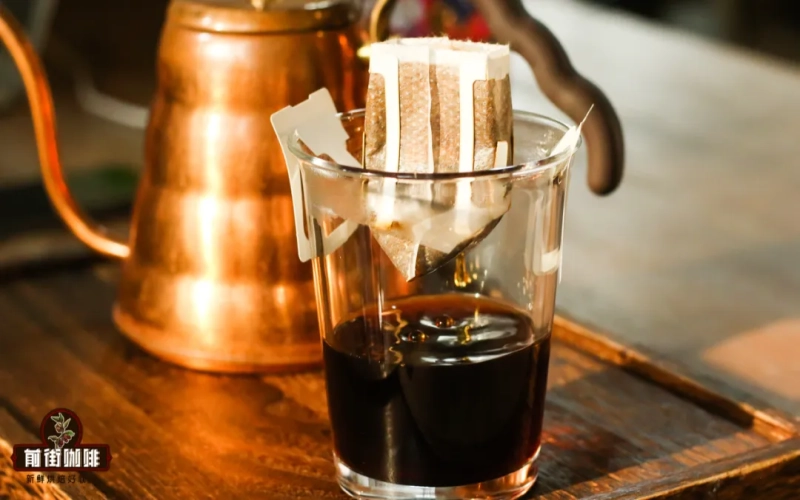
The Complete Guide to Drip Bag Coffee Brewing: Mastering the Three-Stage Control of Water Temperature, Volume, and Time, and Experiencing the Flavors of Front Street's Five Producing Regions
Drip bag coffee has become the top choice for many people during business trips, office work, and travel thanks to its convenience—no need to grind beans or use professional equipment. However, many people encounter problems such as weak flavor, sharp acidity, or noticeable astringency when brewing. In fact, as long as you master the three key parameters of water temperature, water volume, and brewing time, you can make a cup of coffee close to pour-over quality with a drip bag. This article will explain, one by one, the different water temperature requirements for light and dark roasts, the conversion method for a 1:15 coffee-to-water ratio, visual pouring techniques when no scale is available, and the complete process of pouring in 3~4 stages, blooming for 30 seconds, and a total time of about 2 minutes. It will also introduce the flavor sequence of Front Street Coffee's classic five-origin drip bag coffee, helping beginners get started easily. [more…]
Complete Brewing Parameters Analysis of Ice Dosage for Iced Pour-Over Coffee and the Japanese Rapid Cooling Method
When making iced pour-over coffee, the choice and amount of ice are often the questions enthusiasts ask about most. The core role ice plays in iced pour-over is rapid cooling, not aroma preservation or insulation. Because melted ice dilutes the coffee's strength, its density and quantity directly determine the finished cup's taste and drinking experience. This article will go through the considerations for choosing ice, recommended amounts, and the complete process and specific parameters of Japanese-style rapid-chill iced pour-over, one by one. The article also uses Front Street Coffee's Geisha Village Estate Red Label Geisha as an example to share a practical approach combining high-concentration extraction with a precise ice ratio, helping you brew a cup of refreshing, full-bodied, flavor-forward iced pour-over coffee at home. [more…]
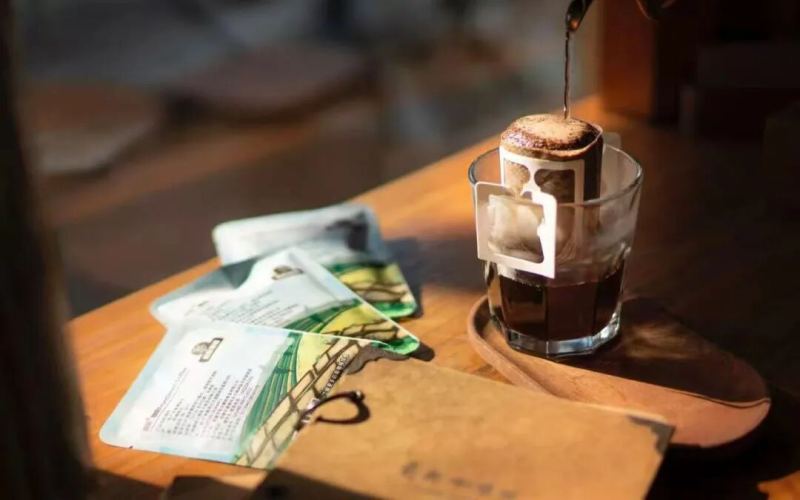
Drip Bag Coffee | What Are the Ideal Water Temperature, Water Amount, and Brewing Time for Brewing Drip Bag Coffee? How Can You Brew Drip Bag Coffee to Taste as Good as Hand-Brewed Coffee?
If we don't want to go through overly complicated coffee-making steps but still want to enjoy the taste of freshly brewed coffee, then drip bag coffee is definitely the most suitable choice. Making drip bag coffee is very simple—no need to grind beans, no need for professional brewing equipment. All we need is a cup and any pouring kettle, and we can [more…]
The Grinding Logic and Bean Selection Guide for Low-Temperature Cold Brew Coffee: From Extraction Principles to Specialty Drink Concentration Control
Cold brew coffee is extracted in a low-temperature, still environment, and many people habitually assume that grinding the coffee finer will increase its strength—but is that actually true? Through comparative experiments, Front Street Coffee found that a coarser grind actually yields a higher TDS reading in cold brew. Starting from the underlying logic of water temperature and particle movement, this article will explain why the "finer grind equals stronger coffee" theory that applies to high-temperature pour-over does not hold for cold brew. It also offers coffee bean recommendations suitable for cold brew, suggested coffee-to-water ratios, and points to note on grind selection for beans of different roast levels, helping you make a specialty cold brew with just the right strength and an aroma that isn't masked by added ingredients. [more…]
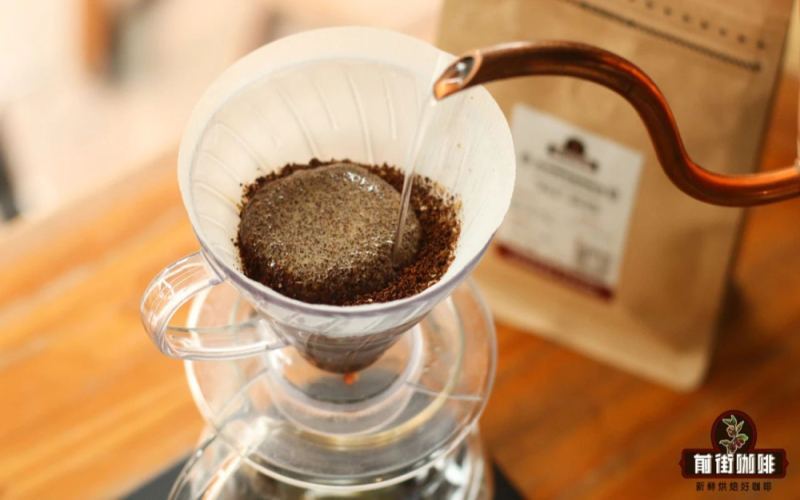
From Choosing Equipment to Pouring Technique: A Complete Guide to Pour-Over Coffee Basics, Water Temperature, Grind Size, and Coffee-to-Water Ratio
For making an authentic single-origin coffee at home, pour-over is often the lowest-barrier and quickest option to master. The equipment isn't as bulky or expensive as espresso machines, and as long as you grasp a few key parameters, your results will gradually become consistent. Drawing on the hands-on experience of Front Street Coffee, this article systematically lays out the equipment setup needed for pour-over coffee, including guidance on choosing a gooseneck kettle, dripper, grinder, thermometer, digital scale, filter paper, fines sifter, and server; it also breaks down how six major variables—water temperature, grind size, coffee-to-water ratio, water quality, bean freshness, and pouring technique—affect flavor, and uses a three-pour method as an example to explain how to control blooming, pouring rhythm, and extraction time, helping enthusiasts build a reproducible brewing framework. [more…]
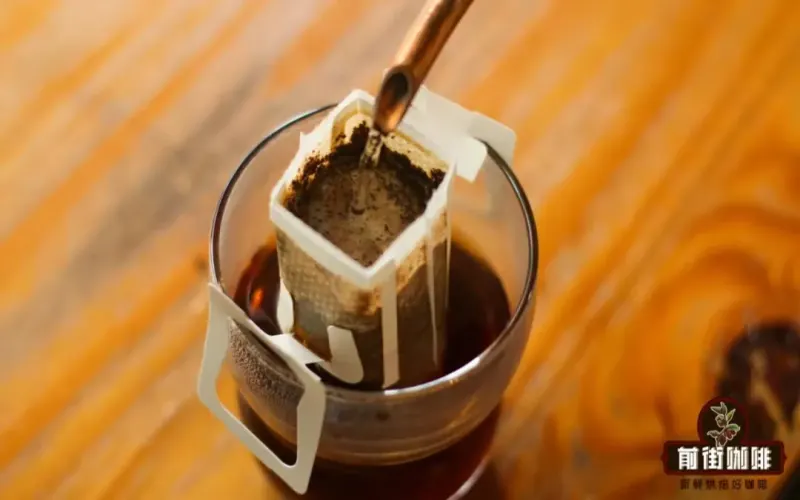
Analysis of the Differences Between Drip Bag Coffee and Pour-Over: Drip Bag Composition, Control of Water Temperature and Volume, and Simple Brewing Steps
Drip bag coffee has become the top choice for many people's daily coffee due to its portability and ease of operation. What exactly are the differences between it and pour-over coffee? This article will start with the structure of the drip bag, sort out the essential differences between it and pour-over in terms of equipment and process, and share a simplified brewing method that only requires attention to two parameters: water temperature and water volume. At the same time, for different taste preferences, the article also compiles the flavor characteristics and purchasing suggestions of multiple drip bag products under the Front Street Coffee brand, helping you obtain a cup of drip bag coffee with suitable strength and full flavor in the simplest way and with stable results. [more…]
How to Control Grind Size for Pour-Over Coffee? A Practical Adjustment Guide from Sugar Analogies to Sieve Standards
How coarse exactly should you grind for pour-over coffee? Many beginners are told the answer is "about the size of granulated sugar," but that description is not very helpful for those just starting out. Drawing on the daily experience of Front Street Coffee (FrontStreet Coffee), this article first explains the specific size range of granulated sugar particles, then explains why grind size directly affects extraction results, and afterward gives the ideal particle range of 0.6mm to 0.8mm along with the practical method of an 80% pass rate through a 0.85mm standard sieve. The article also combines two criteria for judgment—brewing time and the settling speed of the coffee bed—and uses Honduras Sherry beans as a sample to compare the cupping concentration differences between two grind settings, BG #8s and BG #3s, helping readers build a quantifiable way of thinking about grind adjustment. [more…]
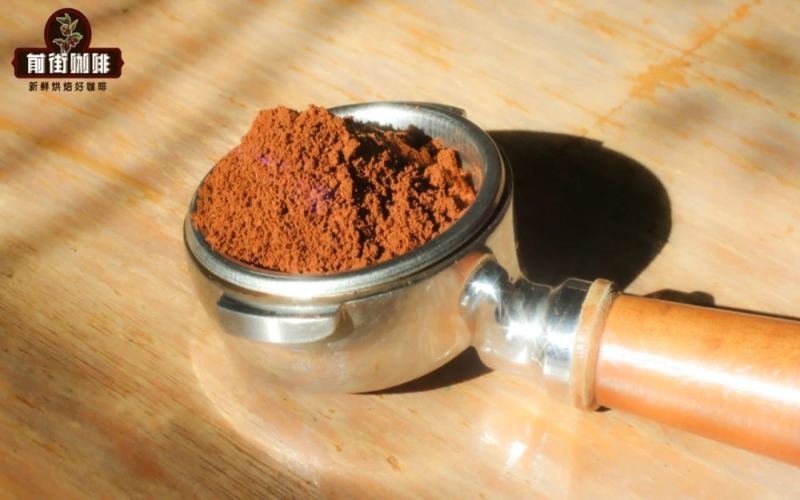
How to Control the Coffee-to-Water Ratio for Espresso? A Practical Guide to Extraction Parameters and Flavor Balance
A proper espresso is the result of a precise interplay among dose, yield, time, and grind size. As the most intuitive variable among them, the brew ratio directly determines the concentration, body, and flavor direction of the espresso. This article starts from the core logic of brew ratio, sorts out the correspondence between extraction yield and flavor, and, drawing on the hands-on experience of Front Street Coffee stores, explains how to stabilize the output by adjusting dose, flow rate, and grind size. In addition, the article also analyzes common misconceptions about making espresso with light-roasted beans and offers espresso blend bean recommendations suitable for home brewing, helping coffee lovers take fewer detours in their daily shots. [more…]
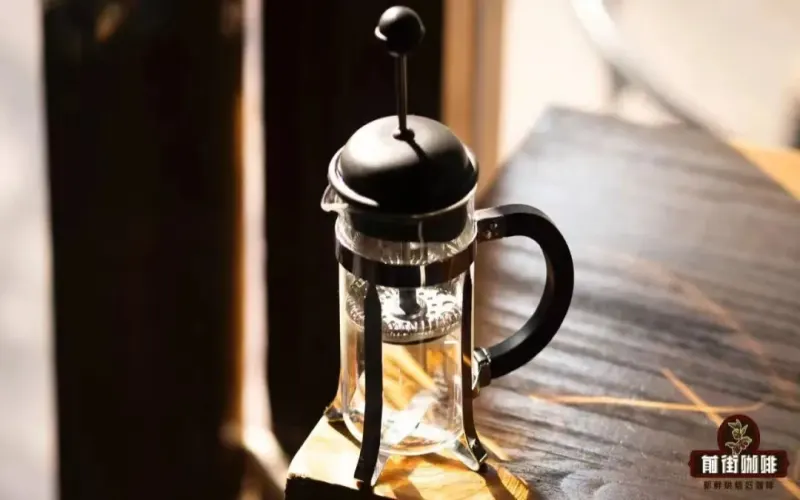
French Press Iced Coffee Brewing Guide: Full Breakdown of Coffee-to-Water Ratio, Grind Size, and Steeping Time
On a scorching summer day, who wouldn't want a glass of ice-cold, refreshing coffee? The French press is deeply loved by coffee enthusiasts for its simple operation and high tolerance for error. However, most tutorials only cover how to make hot coffee, while methods for brewing iced coffee are rarely shared. This article will explain in detail how to use a French press to make a rich and delicious cup of iced coffee, including the coffee-to-water ratio, grind size, water temperature control, and the complete step-by-step process. It will also recommend several Front Street Coffee beans suitable for immersion brewing, so you can easily recreate a professional-level iced coffee experience at home. [more…]
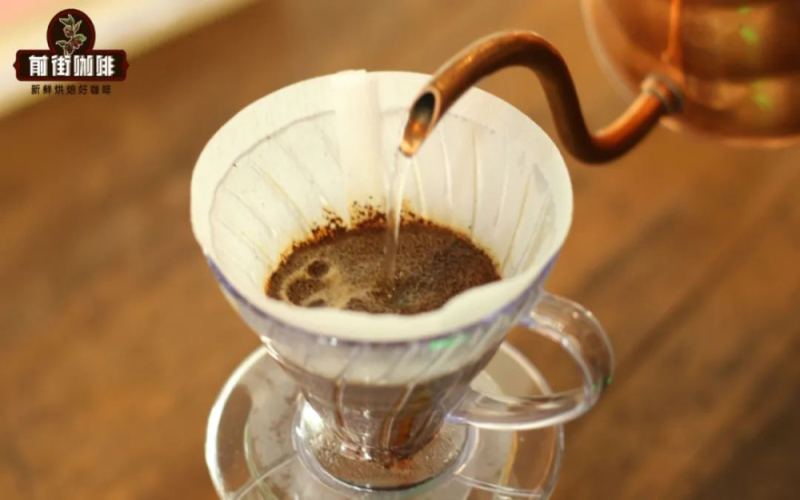
The Bypass Brewing Technique in Pour-Over Coffee: A Practical Guide to Diluting Strength, Rescuing Botched Brews, and Making Iced Coffee
In the world of pour-over coffee, besides the conventional extraction path, there is also an operation known as "bypass"—letting hot water bypass the coffee grounds and fall directly into the server, where it mixes with the already-brewed coffee liquid. This method seems simple, yet it can effectively dilute coffee that is too concentrated, allowing the flavor layers to unfold. Front Street Coffee frequently uses this technique in daily brewing; for example, when a pot of Finca Los Pirineos Geisha has an overly concentrated acidity due to improper brewing, pouring in a small amount of 80°C hot water can release the fruity notes of grape, passion fruit, and citrus. Beyond adjusting concentration, bypass is also widely used in iced coffee preparation, in rescuing over-extracted coffee caused by fine-particle clogging, and even appears in professional coffee competitions. But note that it is not a cure-all—when faced with severely over-extracted or under-extracted coffee, bypass pouring is powerless. This article will systematically analyze the principles, applicable scenarios, and key operational points of bypass, helping you control coffee flavor more flexibly. [more…]
How to brew drip bag coffee for the best taste? A detailed explanation of the three key points—water temperature, amount of water, and time—plus Front Street flavor drip bag recommendations.
Drip bag coffee, with its convenient advantages of requiring no grinding and no professional equipment, has become the go-to staple for many people during business trips, office work, and travel. However, quite a few friends report that the drip bag coffee they brew themselves turns out either bland and tasteless or sharply sour and bitter—the problem often lies in three key parameters: water temperature, amount of water poured, and brewing time. This article begins with an introduction to the flavors of Front Street Coffee's classic five-origin drip bag coffee, then systematically explains the suitable water temperature ranges for light-roast and dark-roast drip bags respectively, the selection of coffee-to-water ratios and visual measurement techniques, and how to control the extraction time to around two minutes through staged pouring, helping you brew a delicious cup of drip bag coffee that rivals pour-over in the simplest way possible. [more…]
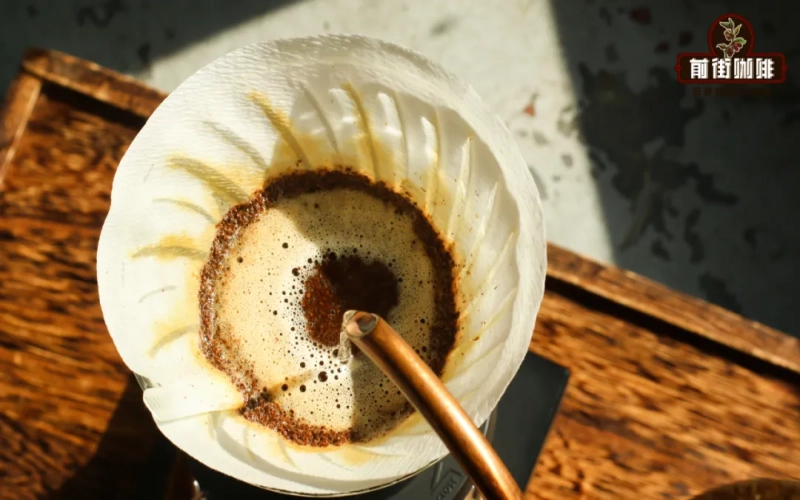
How Should You Decide the Timing for Multiple Pours in Pour-Over Coffee? An Analysis of the Practical Impact of Pour Timing on Extraction Efficiency and Flavor
Multi-pour pouring is a brewing technique commonly used by many enthusiasts in pour-over coffee, but for each pour, should you wait for the water level to drain completely before pouring again, or continue pouring while there is still liquid in the dripper? This seemingly minor choice actually affects the final extraction efficiency through two dimensions: extraction time and liquid concentration. Starting from a comparative experiment at Front Street, this article analyzes the specific effects of different pouring timings on extraction yield and flavor performance, and offers practical advice on how to flexibly choose pouring nodes in different brewing scenarios, helping you more precisely control the flavor direction of every cup of pour-over. [more…]
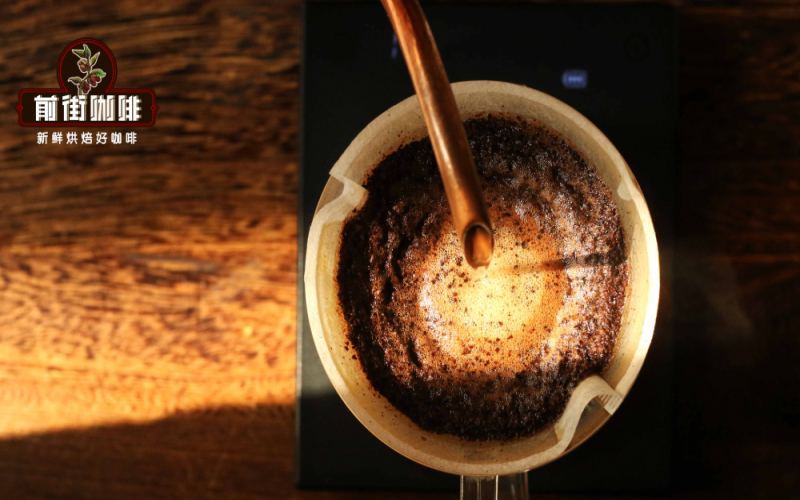
Pour-over coffee tastes too weak and watery? Analyzing the causes and adjustment methods from two aspects: under-extraction and low concentration.
Many coffee enthusiasts have encountered the situation during pour-over brewing where the coffee tastes bland and drinks like water, and even experienced veterans find it hard to completely avoid. There are two main categories of reasons why coffee turns out too weak: one is under-extraction, and the other is too low concentration. Starting from Front Street Coffee's brewing experience, this article first helps you determine whether the coffee beans you've chosen match your taste preferences, then takes a deeper look at how under-extraction and too-low concentration each manifest and what causes them, and offers specific adjustment ideas for parameters such as grind size, water temperature, coffee-to-water ratio, and brewing time. As long as you understand the underlying logic of extraction, no matter whether the coffee is too strong or too weak, you can quickly identify the problem and correct it. [more…]

A Complete Guide to Tetsu Kasuya's One-Pour Brewing Method: A Minimalist Pour-Over Approach Rooted in the High-Concentration, Low-Extraction Philosophy
World champion Tetsu Kasuya proposed a brewing method called "one-pour" in 2019, advocating pouring all the target water at once, skipping the blooming step and making pour-over extremely simple. However, it is often mistaken for the single-pour method, when in fact the two are clearly different. This article will comprehensively break down the characteristics of one-pour brewing from its principles, parameters, and operation process to actual measurement comparisons, and use Panama Boquete Geisha as a sample to compare the flavor performance after one-pour and single-pour brewing. At the same time, Front Street Coffee will also sort out five key details to note in one-pour brewing to help coffee lovers avoid misunderstandings. [more…]
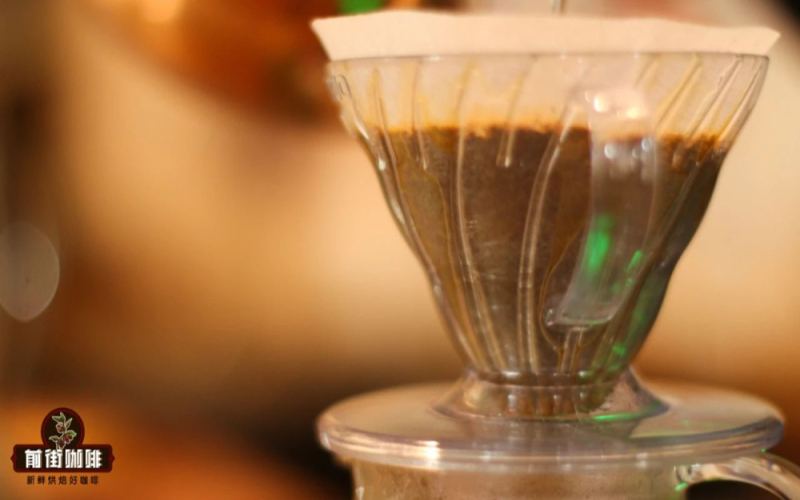
Beginner's Guide to Pour-Over Coffee: From the Golden Cup Standard to Three-Stage Pouring, Front Street Explains Specialty Coffee Grounds Brewing Techniques
Pour-over coffee, with its simple equipment and emphasis on hands-on technique, has been favored by coffee enthusiasts and lifestyle aficionados since the third wave of coffee. The key to an excellent cup of pour-over coffee lies in precisely controlling four major variables: grind, water temperature, weight, and time. Starting from Front Street Coffee's conservative brewing philosophy, this article systematically sorts out the basic concepts of pour-over coffee, the differences in Golden Cup extraction standards across countries, the list of required equipment, and the detailed operational points for water temperature, grind size, coffee-to-water ratio, and brewing technique. It also provides an in-depth analysis of the principles of blooming and degassing, the three-stage pouring steps, and the three stages of coffee extraction—wetting, dissolution, and diffusion—helping beginners establish a standardized operational framework, adjust flexibly on the basis of understanding the principles, and make good coffee with their own personal style. [more…]